When you get a chance to choreograph, take it — make it your own. One of the milestones in fulfilling your dancing journey is choreographing a routine. It’s where most of self-expression comes from — after all it is yours. However, most routines are performed for an audience, so how do you make sure they love it without compromising your creativity?
Here are some of the techniques I’ve picked up from different choreographers.
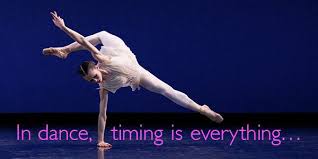
Timing
What do you notice when you’re being taught a dance routine? There’s always a counting, commonly in eight counts. Of course, there are different variations to how you can count but I’m not going to teach that.
As beginner, you may want to do so but there are unconventional ways to account for each step.
But first get to know your music, familiarize yourself with the rhythm and the lyrics, and distinguish different instrumentals or “hidden” beats. Now use them to your advantage.
- Rhythmic Approach: You can use the rhythm to create groovy or flowing steps. Of course it depends on the music.
- Lyrical Approach: It is commonly used to create a contemporary/interpretative vibe to the routine. However, it has also been used in pop, rap, and R&B to create a precise and snappy routine for the more advanced.
- Beat Approach: Rhythm and beat are almost used interchangeably but both are different. In terms of dancing, the term beat have been used to pertain to certain sounds/hits/drops in a song. Sometimes choreographers modify the beats in songs or simply in their heads.
- Combined Approach: Of course you can use one or all at once to create a more dynamic routine.
Choreograph “Virtually”
A choreographer once shared to our class that he first conceptualizes his routine in his mind while listening to the music.

It is a common practice in my locality since there aren’t a lot of dance studios to practice, so most workshops happen in parks or halls. It also helps to visualize your routine before you execute it. It allows you concentrate on the “best parts” of the music and be more creative.
Personally it’s very advantageous, since you simply put on some earphones and music then you’re good to go. It saves a lot of time and energy. Plus it’s an immersive experience, making it easier to go outside the box.
Miming
Are you familiar with mimes trying to act as if they’re in a box?
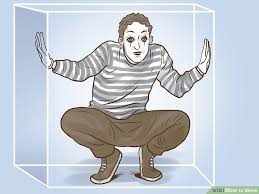
It’s a similar concept since you can imagine anything you’d like to use or do. You can act like your on the wheel driving, writing on a huge paper, blow up a balloon, eat the balloon, and other outlandish concepts if you’d like. It’s up to you.
Though I’d recommend using it sparingly, you wouldn’t want to look like an idiot after all. Additionally, you have to appropriate the step you’ve created on the style you’re choreographing for.
Variations
Variations may be common but it is a must. You wouldn’t want your crew to look too similar all throughout the routine.
Variations come in many ways such as timing, levels, groove, and others. It’s quite handy when it comes to improving both simple and advanced routines.
 Step by Step